
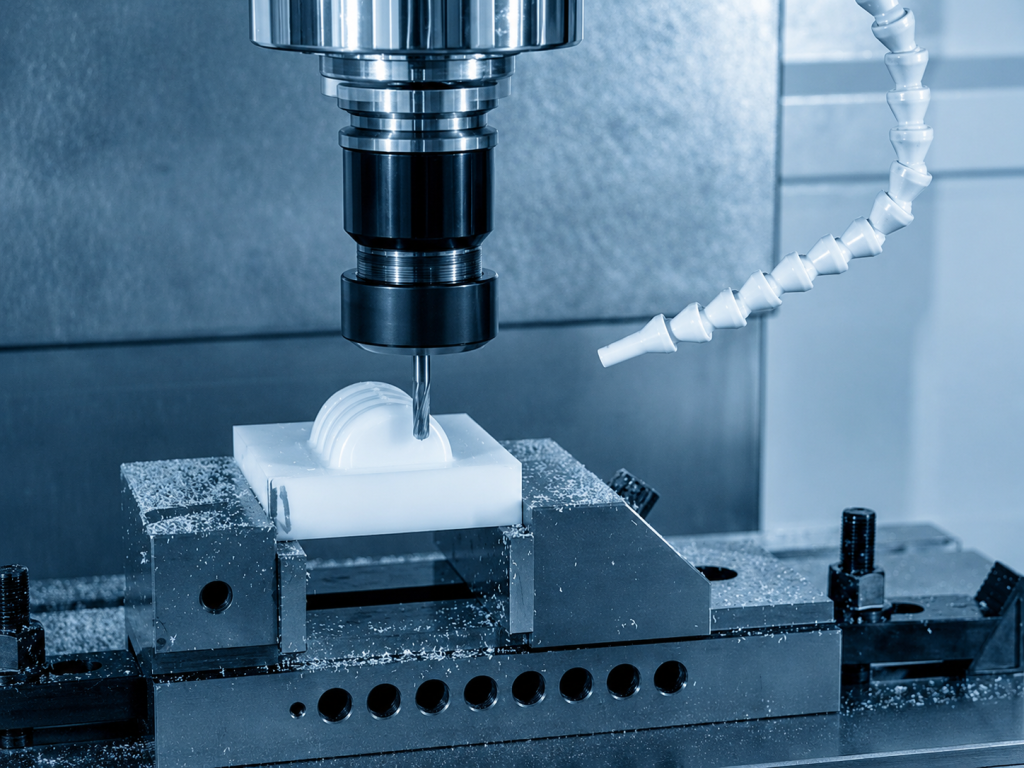
Engineering Plastic Surface Finishes Explained: A Precision Machining Engineer’s Guide
A practical engineering guide to surface roughness, as-machined baselines and post-processing methods for CNC machined engineering plastic parts.
A practical engineering guide to surface roughness, as-machined baselines and post-processing methods for CNC machined engineering plastic parts.

A practical material selection guide for semiconductor equipment plastics, covering purity, outgassing, chemical resistance, ESD behavior, CNC machining risk, and common materials such as PEEK, PAI, PBI, PTFE and PVDF.
Choosing between CNC machining and injection molding for engineering plastic parts is rarely a simple quantity question. Volume matters, but
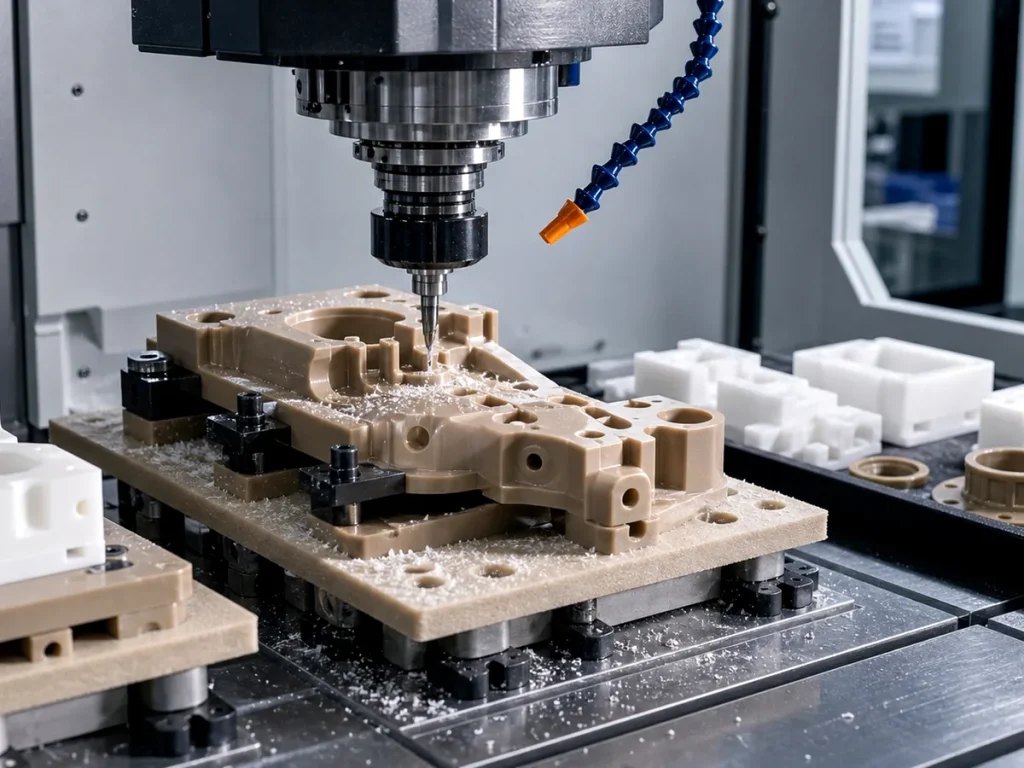
A practical DFM guide for designing CNC machined plastic parts, including material selection, wall thickness, internal radii, threads, tolerances and stress control.
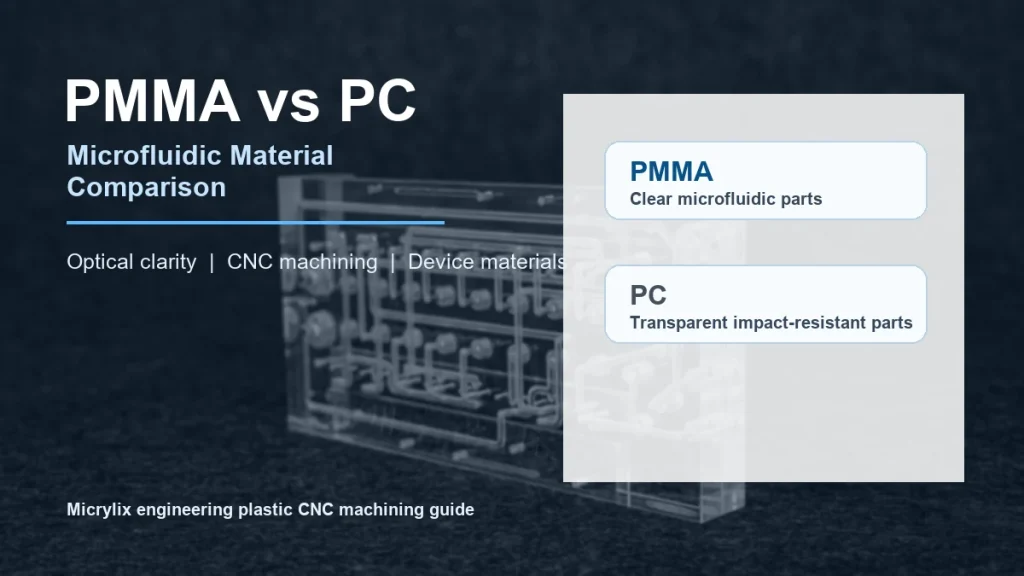
A practical engineer’s guide to choosing acrylic PMMA or polycarbonate for CNC machined transparent parts, including impact behavior, polishing, heat, chemical stress cracking and DFM risk.
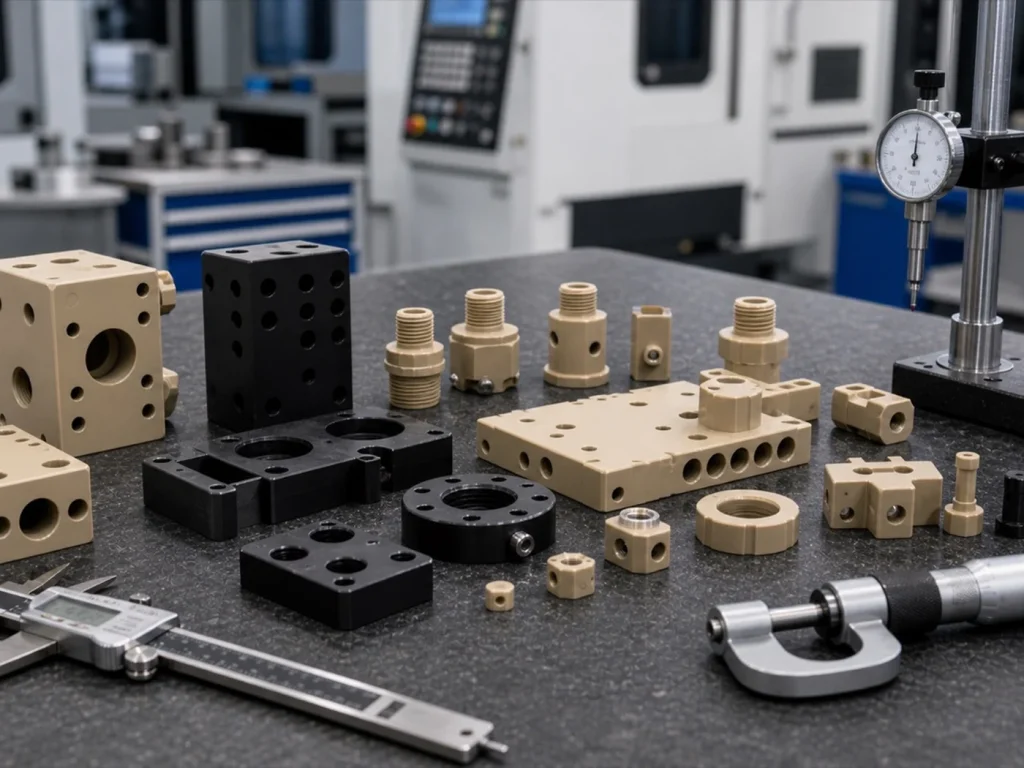
A practical guide for choosing between PEEK and PTFE in semiconductor equipment when load, creep, wet chemistry, ESD behavior, vacuum requirements and CNC machining risk all matter.
A practical PEEK CNC machining DFM guide covering internal radii, wall thickness, annealing, tolerances, thread design, coolant restrictions and material grade selection.
A practical engineering guide to comparing PEEK and PAI for semiconductor equipment components, focusing on operating environment, dimensional stability, wear, load, machining and long-term reliability.
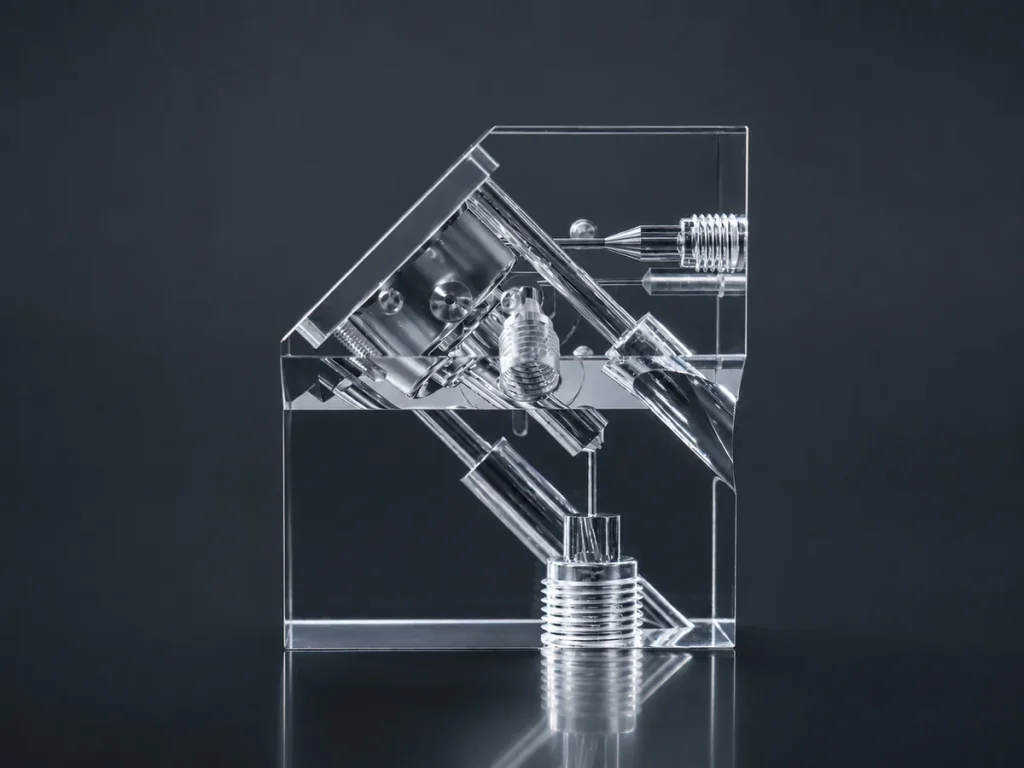
Transparent acrylic (PMMA) is widely used for optical components, microfluidic devices, laboratory equipment, and analytical instruments because of its excellent
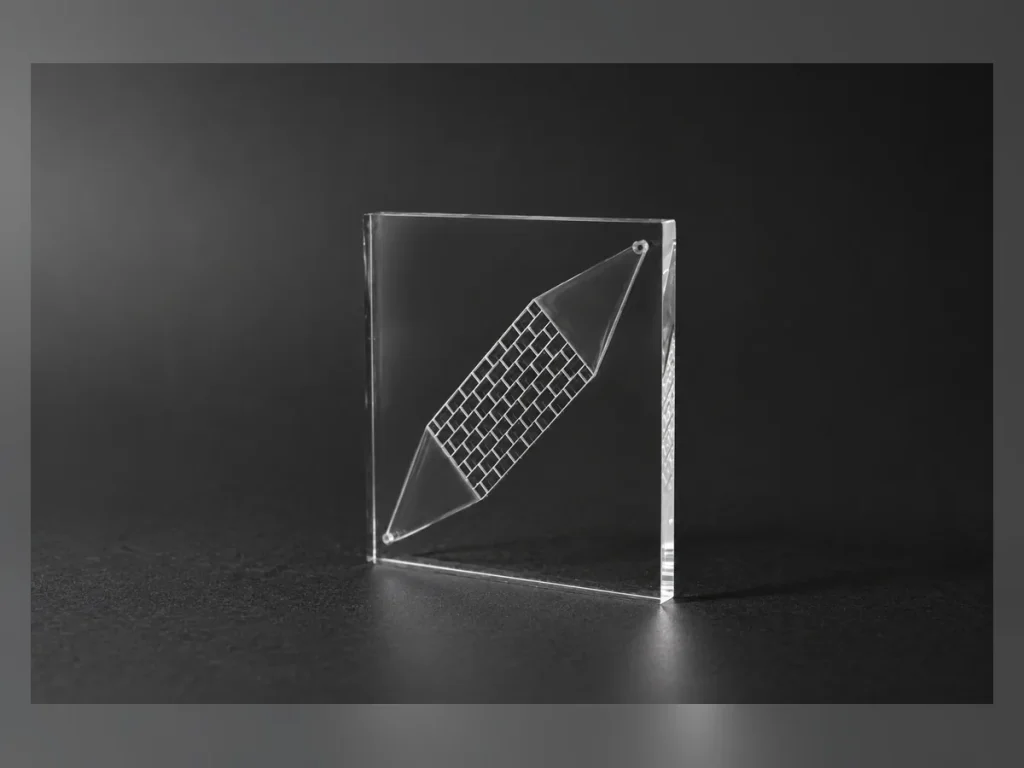
Compare PMMA and PC for microfluidic devices. Learn differences in optical clarity, chemical resistance, CNC machining performance, and application suitability.