
Introduction
When engineers design transparent microfluidic devices, PMMA and polycarbonate (PC) are often the first two materials considered. Both materials offer excellent transparency and machinability, but their performance differs significantly in optical detection, chemical compatibility, thermal resistance, and manufacturing processes.
After years of working with precision CNC machining of transparent plastic components, we have found that the right material choice depends less on which material is “better” and more on whether its properties match the application requirements. This guide compares PMMA and PC from an engineering perspective.
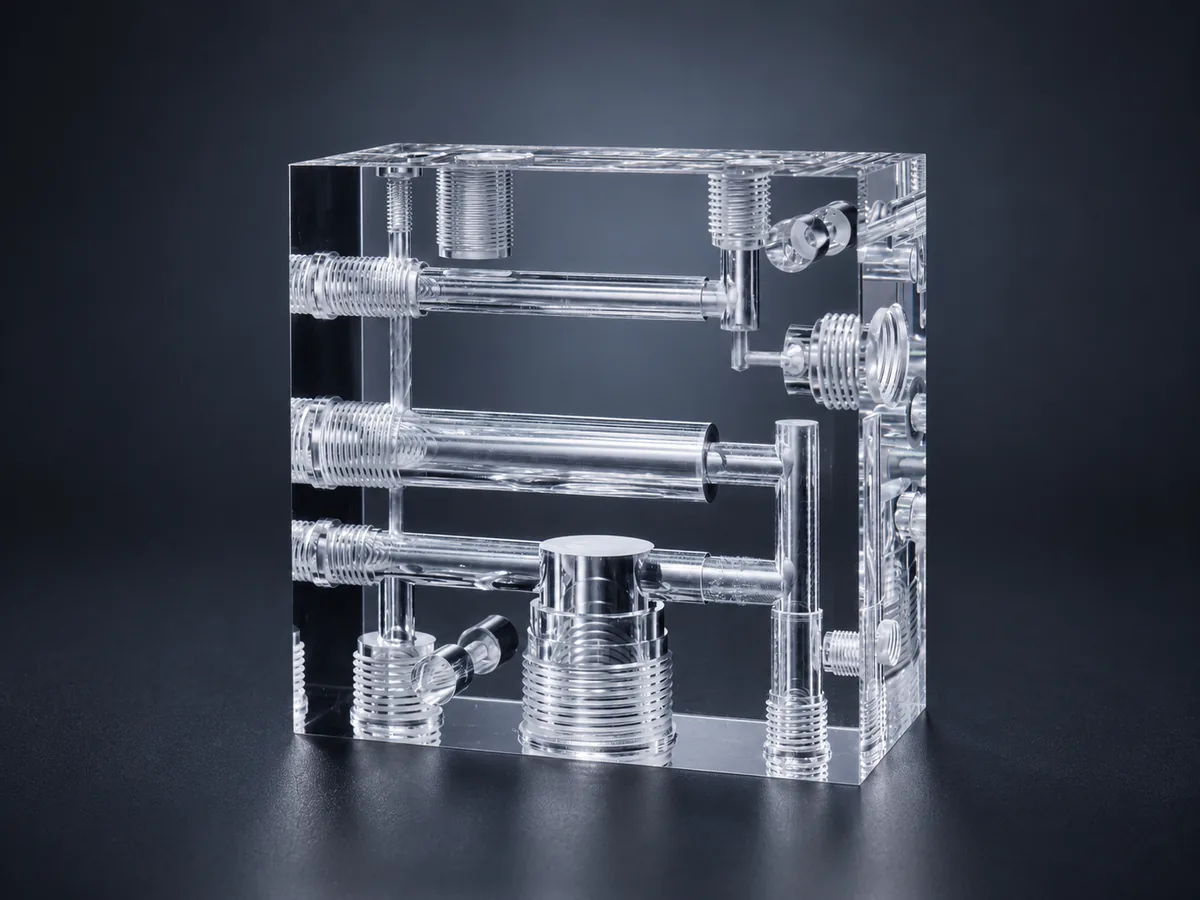
1. Optical Performance: Why PMMA Is Often Preferred for Detection Applications
Optical Transparency
PMMA typically provides higher optical clarity than PC. Optical-grade PMMA commonly achieves approximately 92% visible light transmission, while PC is generally around 88?90%. For fluorescence detection, microscopy, and optical analysis, small differences in optical transmission can influence measurement performance.
Birefringence and Internal Stress
One important consideration in microfluidic devices is optical distortion caused by residual stress. PC is more sensitive to stress-induced birefringence, especially after molding or machining. In optical inspection systems, excessive birefringence may affect image quality and measurement accuracy. PMMA generally exhibits lower optical distortion and better optical uniformity.
2. Chemical Resistance: Selecting Materials Based on Reagents
Water-Based Solutions
Both PMMA and PC perform well with aqueous buffers and mild acids in many laboratory applications. Final selection should still be checked against concentration, exposure time, temperature, and whether the part is under mechanical stress.
Alcohol Exposure
PC generally provides better resistance to prolonged alcohol exposure. PMMA may develop stress cracking or crazing under long-term exposure to high concentrations of alcohol, especially when machining stress exists.
Strong Chemicals
Neither material is recommended for aggressive solvents such as acetone, chlorinated solvents, or strong organic solvents. Material compatibility should always be verified according to the actual chemical environment.
3. Mechanical and Thermal Performance
Impact Resistance
PC is significantly tougher than PMMA. For applications requiring drop resistance, portable devices, or mechanical protection, PC may be the better choice.
Temperature Resistance
PC generally provides higher heat resistance and is often reviewed for thermal cycling, sterilization requirements, or higher temperature environments. PMMA is commonly used for room temperature analytical devices, optical inspection systems, and laboratory prototypes.
4. CNC Machining Performance: PMMA Has Manufacturing Advantages
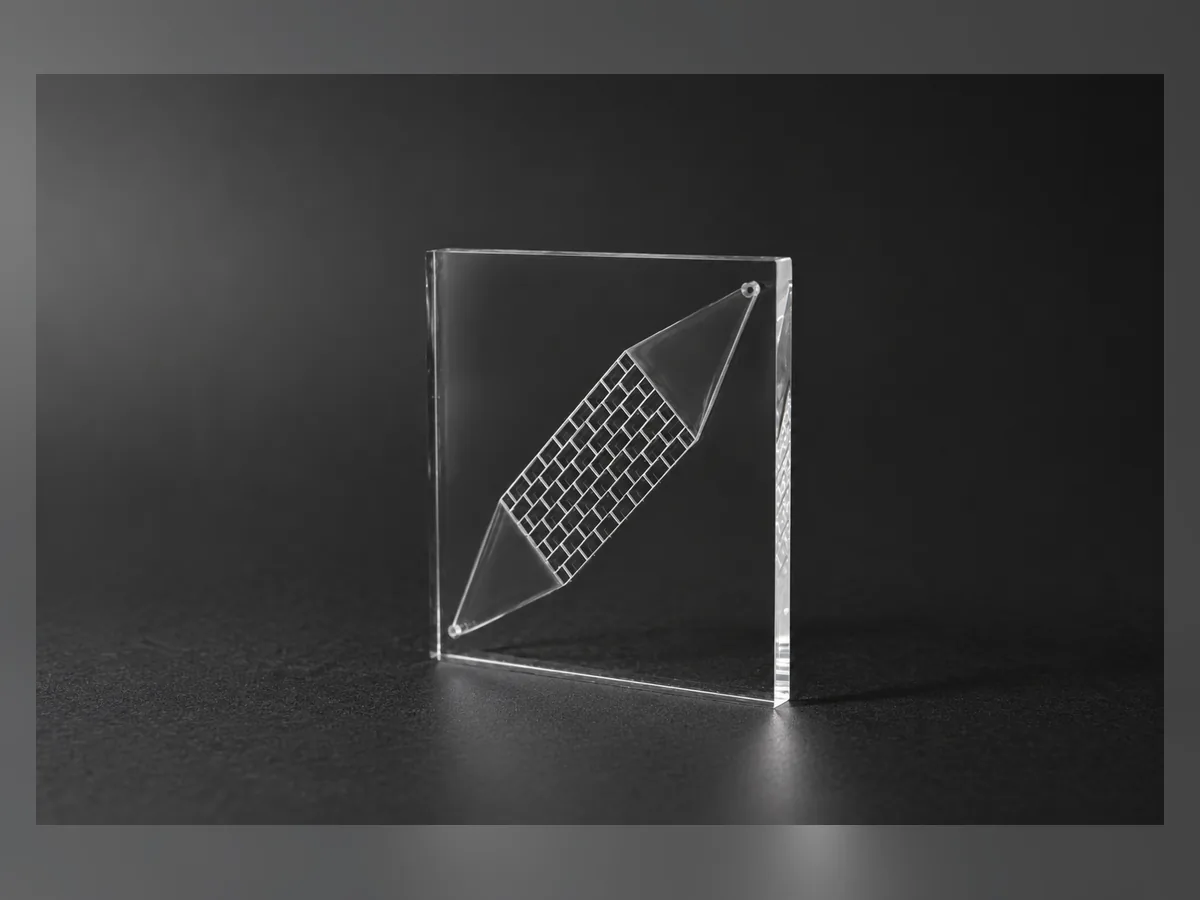
For precision microfluidic components, machining quality is critical. PMMA offers excellent cutting behavior, superior optical finishing capability, easier polishing, and lower machining stress. These characteristics make PMMA practical for transparent channels, flow cells, valve bodies, and inspection windows.
PC offers higher toughness and better impact resistance, but PC machining usually requires more attention to tool sharpness, heat control, and stress management. If the component includes optical detection areas, those manufacturing risks should be reviewed early.
5. Surface Treatment and Bonding Considerations
Microfluidic devices often require bonding, surface modification, or hydrophilic treatment. PMMA is widely used because of its good optical bonding performance, stable surface treatment processes, and excellent transparency after assembly.
6. PMMA vs PC Selection Guide
How Micrylix Supports Transparent Microfluidic Manufacturing
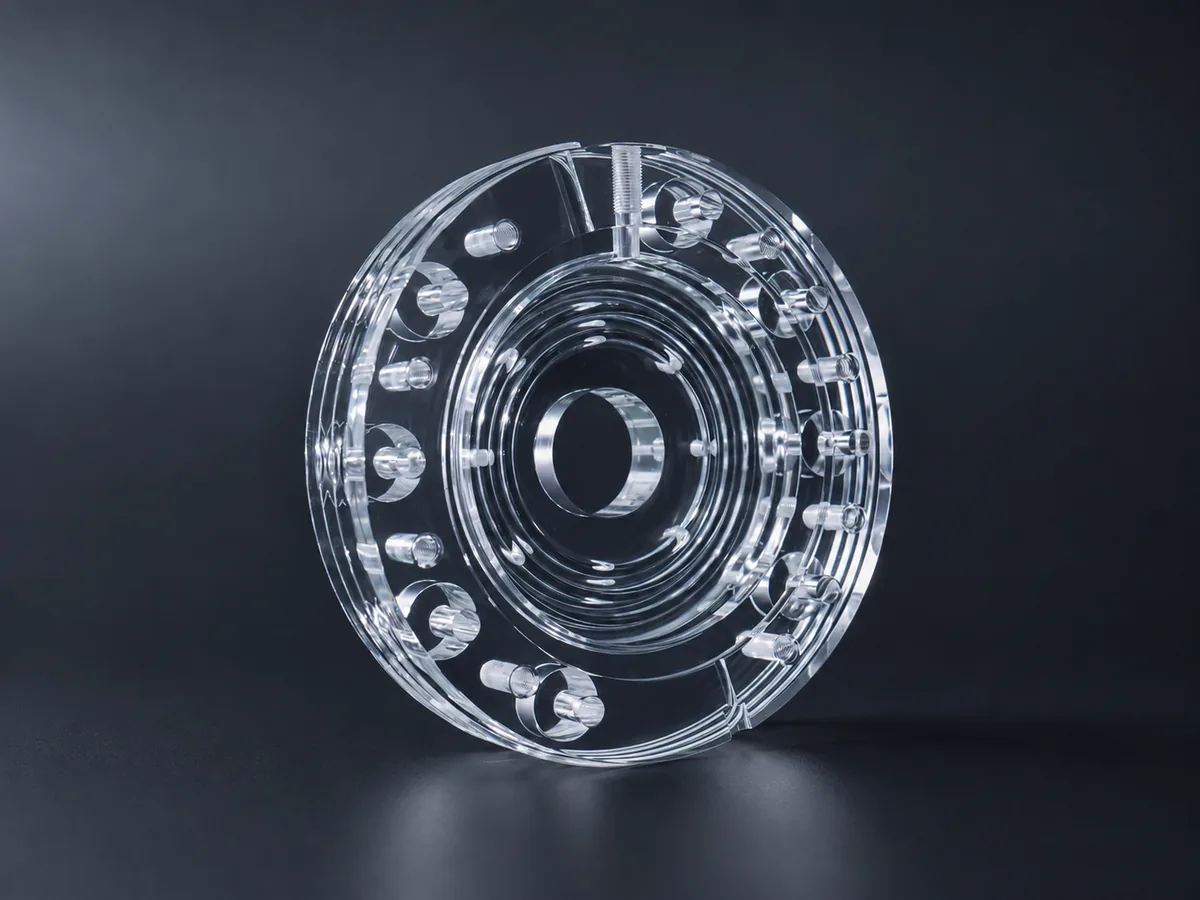
Micrylix specializes in precision CNC machining of engineering plastics, including optical PMMA components, microfluidic chips, transparent valve bodies, flow cells, and precision plastic assemblies.
Our capabilities include 5-axis CNC machining, tight tolerance machining, optical polishing, prototype manufacturing, and low-volume production for drawing-based plastic components.
- PMMA CNC Machining Services
- Microfluidic Components Manufacturing
- Engineering Plastic Materials
- Request Quote
FAQ
Is PMMA better than PC for microfluidics?
It depends on the application. PMMA is usually preferred for optical analysis, while PC is better when impact resistance and temperature resistance are priorities.
Can PMMA be used for biological microfluidic devices?
Yes. Optical-grade PMMA is widely used in laboratory and diagnostic applications where transparency and optical performance are important.
Is PC suitable for fluorescence detection?
PC can be used, but optical performance should be carefully evaluated because stress-related birefringence may affect sensitive measurements.
Conclusion
There is no universally superior material between PMMA and PC. PMMA is often the preferred choice for optical microfluidic devices because of its excellent transparency, low optical distortion, and machining performance. PC remains valuable for applications requiring higher impact resistance and temperature capability.
The best material depends on the actual testing environment, chemical exposure, temperature requirements, and manufacturing process.
Need Help Choosing PMMA or PC?
Send your drawing and application requirements.