
PRODUCT CATEGORY
Microfluidic Components
Precision CNC machined PMMA and engineering plastic components for fluid routing, transparent channels, laboratory systems, and IVD plastic components. For visible flow paths and laboratory fluid handling, Micrylix also manufactures transparent microfluidic components from drawing-based PMMA parts. For fluid routing blocks and multi-port assemblies, Micrylix also supports CNC plastic manifolds machined from drawing-based PMMA and engineering plastic designs.
WHAT WE MANUFACTURE
Parts We Manufacture
Typical parts are manufactured from customer drawings, CAD files, samples, or application requirements.
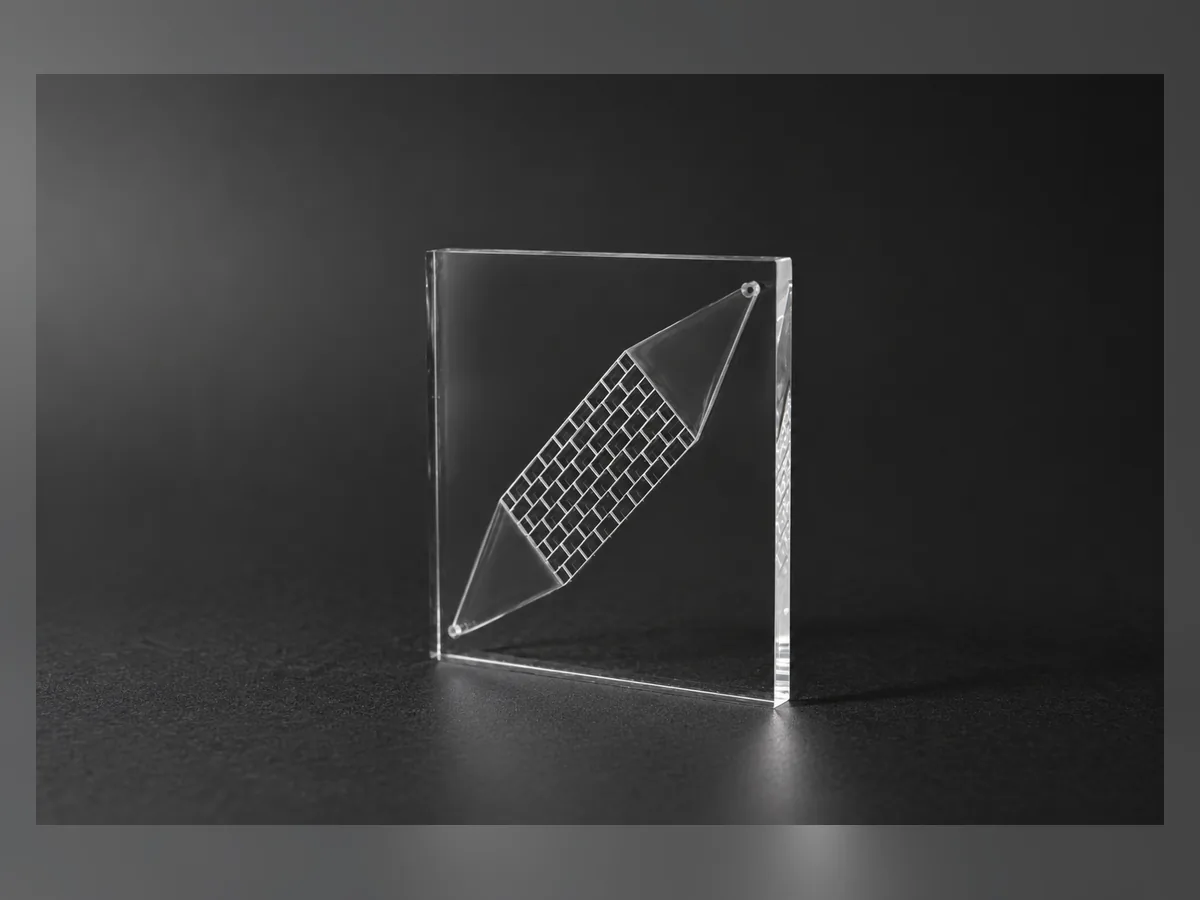
Transparent microfluidic plates
Machined PMMA or acrylic plates with transparent channels, ports and observation areas for laboratory fluid-control applications.
Flow-channel components
Custom machined channel structures where burr control, edge quality and sealing surface flatness are reviewed before production.
Fluid routing blocks
Plastic routing blocks used to distribute, combine or isolate fluids within microfluidic, diagnostic or laboratory systems.
Lab automation components
Drawing-based plastic parts for positioning, routing, support and fluid handling inside laboratory automation equipment.
Small-batch prototype devices
Prototype and small-batch microfluidic components manufactured from customer drawings for design verification and assembly testing.
PMMA parts with channels, ports, and pockets
Transparent PMMA components with machined holes, pockets, slots and visible flow paths for fluid-control assemblies.
MATERIAL SELECTION
Material Selection for Microfluidic Plastic Components
Material selection depends on fluid compatibility, transparency, mechanical load, dimensional tolerance, temperature, sealing method and inspection requirements. For a wider comparison, see the engineering plastic materials guide.
PMMA / Acrylic
Commonly used for transparent microfluidic parts, visible channels, optical inspection areas and fluid observation components.
PEEK
Used for demanding engineering components where chemical resistance, dimensional stability and mechanical strength are required.
POM
Suitable for precision fixtures, positioning parts and mechanical components used around microfluidic assemblies.
PTFE
Used when chemical resistance, low friction or fluid-contact behavior is important for the application.
PEI
Used for stronger insulating or higher-temperature plastic components in laboratory or instrumentation systems.
CNC MACHINING
CNC Machining Challenges for Microfluidic Components
Microfluidic plastic components often combine small channels, ports, sealing surfaces and transparent inspection areas. For CNC machined PMMA and engineering plastic parts, the machining process must consider burr control, channel clarity, edge quality, internal stress and dimensional consistency.
Burr control around small ports
Small holes and intersecting features are reviewed for tool access, chip evacuation and post-machining edge condition.
Channel edge quality
Visible flow paths require controlled cutting strategy so channel edges remain clean enough for inspection and assembly review.
Sealing surface flatness
Flat sealing lands and mating faces are checked early because small distortion can affect assembly performance.
Transparent PMMA stress whitening
For clear acrylic parts, machining heat and residual stress must be controlled. See why acrylic turns white after CNC machining.
Cross-hole and port alignment
Multi-side ports, cross-drilled passages and connector locations are reviewed against datum strategy and fixture setup.
Prototype-to-small-batch repeatability
For small-batch builds, process notes and inspection points help keep repeated parts close to the approved prototype.
Related capability pages: transparent plastic machining and CNC plastic manifolds.
RELATED REAL PRODUCTION CASE
Related Real Production Case
A related real production case shows how Micrylix handles transparent acrylic valve body machining from drawing review and CAM programming to CNC machining, inspection and final part review.
Transparent acrylic valve body machining
Review the transparent acrylic valve body CNC machining case study for a practical example of clear PMMA machining, feature review and final part inspection.
LIGHT CASE EXAMPLE
Example Part
A concise example of how this product category is reviewed before machining.
PMMA microfluidic plate for laboratory fluid routing
Material: PMMA / Acrylic
Requirement: A research application required transparent flow paths, controlled port positions, and visual inspection of channels.
Machining focus:
- Review channel depth, width, and tool access before machining.
- Control burrs around ports and intersecting features.
- Protect clear surfaces after machining and inspection.
Result: The example workflow focused on manufacturability review before prototype or small-batch machining. Customer information can be protected under NDA.
RFQ
Need Custom Microfluidic Components?
Send your drawings, material requirements, channel layout, port details, quantity, tolerance requirements, surface finish expectations and application conditions. Micrylix will review manufacturability and recommend a suitable plastic material and CNC machining approach.
STEP / PDF / DWG accepted – NDA available – Prototype and small-batch support